Lamps in Extreme Environments: A Safety Guide
When it comes to lamps in extreme environments, the right lamp not only protects your home from short circuits and fires, but can literally save lives. An incorrectly chosen or improvised lamp can lead to electric shocks, fire hazards or expensive electrical damage. The good news: With the right knowledge, it's not that complicated.
Electric lighting in places where there is water, humidity and extreme temperatures are a challenge for every homeowner. Whether in the bathroom under the shower, in the kitchen next to the sink, in the sauna at 80 degrees Celsius or outdoors in the rain and snow. Read here which standards apply, which IP protection classes you need for wet and outdoor areas and when you should definitely call a specialist.
The IP protection classes: Your guide for safe lamps
Modern technology and clear safety standards make it possible to illuminate your rooms reliably and safely, even under the most unfavorable conditions. The IP protection class is the heart of the selection of lamps suitable for wet rooms. The abbreviation IP stands for “Ingress Protection” and is identified by two numbers. The first number indicates the protection against foreign bodies, the second - and more important for you - the protection against water.
IP20 is the most commonly used IP protection class in private living areas. Although IP20 offers protection against large, solid foreign objects, it does not offer protection against water or dust. Most standard pendant lights, wall lights, ceiling lights and floor lamps have this protection class. They are therefore not recommended for extreme rooms.
It is also common IP40 can be found, which offers additional dust protection for dry interior rooms and protects against foreign bodies larger than 1 mm. This class is recommended for dustier areas such as basements or for people with dust allergies.
IP44 offers protection against splash water and solid particles larger than 1 mm. This protection class is sufficient for areas around the sink, the sink in the kitchen, workshops and hobby rooms or the basement. Luminaires with IP44 are also suitable for covered outdoor areas.
IP65 means dust-tight and completely protected against water jets from any angle. This class is required for lamps that are installed directly above the bath or shower up to a height of 2.25 meters. IP65 is also the minimum requirement for outdoor areas exposed to direct rain.
IP67 and IP68 offer the highest level of protection: they are dustproof and waterproof. These classes are ideal for in-ground spots in showers, garden ponds or pool lighting. IP68 lamps last reliably even under water.
Specific requirements in different rooms
- The bathroom: In Bathroom Strict rules apply according to the DIN VDE 0100-701 standard. Most accidents occur due to a lack of protection or incorrect installation. A light directly above or in the immediate vicinity of the shower must be at least IP67. Lights in the rest of the bathroom should meet at least IP44, better yet IP65. An important note: The installation of new sockets or lights should be carried out by an approved specialist company.
- The kitchen and wet area: In the Kitchen Special requirements arise from water vapor when cooking, splashing water when washing up and vapors of fat. The lighting above the sink and hob should meet at least IP65. Greases and cleaning agents in particular combined with moisture pose a risk that quickly overwhelms standard lights. High-quality LED strips or panels with IP65 are the optimal choice.
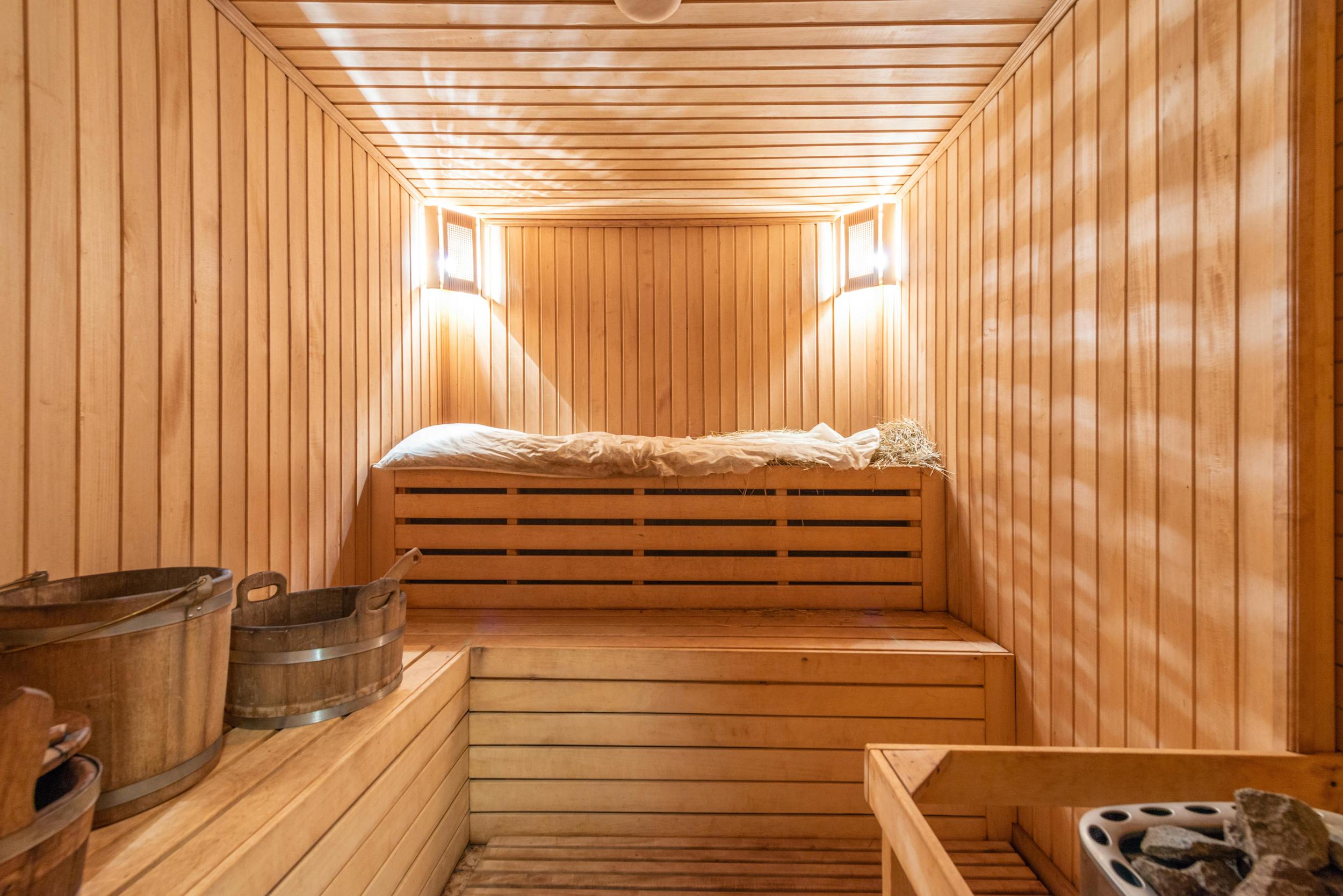
- The sauna and steam bath: The sauna is an extreme environment: temperatures between 60 and 100 degrees Celsius, high humidity up to almost 100 percent, and constant steam. Not all LEDs can withstand these conditions. Lights certified specifically for saunas with IP65 or higher are absolutely necessary here. These must not be attached directly above the heating stones. The lifespan of sauna lights under these harsh conditions is often only 35,000 to 50,000 hours of operation - significantly less in normal areas of the house.
- Outdoor lamps for outdoor lighting: Outdoor lights must withstand extreme weather conditions: rain, snow, hail, frost down to -20 degrees Celsius and heat up to +50 degrees. For open gardens and exposed areas, a minimum of IP65 is required. Solar lamps in Outdoor area need high-quality batteries and regular cleaning, as contamination reduces their performance. The longevity of outdoor lights depends crucially on the material. High-quality LED outdoor lights made of stainless steel or powder-coated aluminum offer optimal protection against corrosion and weathering. Stainless steel is particularly advantageous in coastal regions or areas with high humidity as it remains permanently rust-free. Aluminum, on the other hand, is light, robust and is often offered powder-coated, which allows for a wide range of colors. In extreme weather conditions such as snow loads or strong winds, outdoor lights should always be firmly anchored. The correct placement is crucial.
General questions about the topic
Since we are often asked questions about the IP class and the use of the corresponding lamps, we have summarized the most important ones here:
1. How hot and how cold can a lamp get?
Modern LED lamps are surprisingly robust, but they have limitations. Most LED lights for wet rooms are designed for an operating temperature range of -20 to +50 degrees Celsius. Special industrial lights range from -40 to +50 degrees. When installing such standard LEDs, you should be careful not to place them in the sauna or too close to the stove, where higher temperatures prevail.
There are a few things to keep in mind during operation. Temperatures that are too high dramatically shorten their lifespan because LEDs are sensitive to heat. Any additional heat reduces their light output and lifespan - a phenomenon that is particularly critical in saunas.
2. Can the lamp be installed underwater?
Yes, but not everyone. Only lights with protection class IP67 or IP68 are temporarily or permanently waterproof. These lamps are completely sealed and also dustproof.
Examples of underwater applications:
- Pool and pond lighting (IP68)
- Floor recessed spots in walk-in showers (IP67 at least)
- Fountains and water features
- Aquarium lighting
These special underwater lights often use low voltage systems (12V or 24V instead of 230V) to increase safety. If there is a possible water leak, the full mains voltage will not flow through the water.
3. How long do these lamps really last?
The lifespan of LED lamps is measured in operating hours. High-quality LED waterproof lights typically last 35,000 to 50,000 hours. In theory, that sounds like 15 to 22 years with 8 hours of daily use. The reality is more nuanced:
In environments like this Living room, Office area or bedroom LEDs can reach their full service life.
In damp rooms such as bathrooms The service life is reduced to around 70 to 80 percent of these values because humidity accelerates wear.
In extreme environments such as saunas or in constant direct sunlight, the lifespan can decrease to 50 to 60 percent.
High-quality materials, good ventilation and correct installation significantly extend the life of LED lights.
4. Installation: When do I need a professional?
That's a tricky question. According to German law (Low Voltage Connection Ordinance), electrical installations that are connected to the public power grid may only be carried out by licensed electrical contractors.
This means specifically:
- Allowed for private individuals:
- Change light bulbs and LED lamps
- Hang up and take down lamps that are already attached
- To be on the safe side: Always turn off the fuse beforehand - Not allowed (fines and insurance problems possible):
- Connect or install new lights
- Lay new circuits
- Carry out electrical installation in the bathroom
- Connect outdoor lighting to the power grid
The reason:
Incorrect installation may result in electric shock, short circuit or fire. In addition, the insurance does not pay if damage was caused by self-installation.
Specialist companies know the DIN and VDE standards and work according to the prescribed safety standards. You are responsible for the professional execution.
5. How important is the maintenance and care of a lamp?
Every lamp needs care: In damp rooms, lamps should be wiped monthly with a soft cloth to remove limescale deposits and dirt. Always check the seals for cracks!
Clean the lamps outdoors every few weeks, also to guarantee optimal charging performance for solar lamps. Remove leaves and debris that could cause water to accumulate!
In the sauna, make sure that no moisture has penetrated the lamp! Inspections and inspections should be carried out regularly and all connections should be checked for corrosion.
Conclusion: Safety first!
Electric lamps in damp rooms and extreme environments are only for professionals. The correct IP protection class, professional installation and high-quality materials are important for the lifespan of the lamp and safe operation. While it's tempting to save money and "quickly add a lamp," hiring a certified electrical contractor will pay off in the long run: You'll guarantee safety, durability, and insurance coverage.
Remember: An incorrectly installed light is not just a nuisance – it is a source of danger. Regular maintenance is just as important as installation. Especially in damp rooms and extreme environments, you should check your lamps monthly, check seals, remove dirt and, in the case of solar lamps, check the batteries. This little extra attention often doubles the lifespan of your lighting.
We are happy to provide you with further tips, practical advice and recommendations on the professional installation and maintenance of your lamps at any time.