Understanding light lamps: What counts when buying
A light lamp not only determines whether a room is bright enough. It influences mood, concentration, proportions and even how high-quality materials appear in the room. That's exactly why it's rarely enough when buying to just decide on style, color or a nice photo.
Anyone who is renovating, furnishing a house or choosing lights for an interior project should first understand what task the light is supposed to fulfill. Only then do design, size, material and technical values come. This guide shows what is really important so that the new lamp not only looks good, but also impresses in everyday life.
First clarify: What task should the light fulfill?
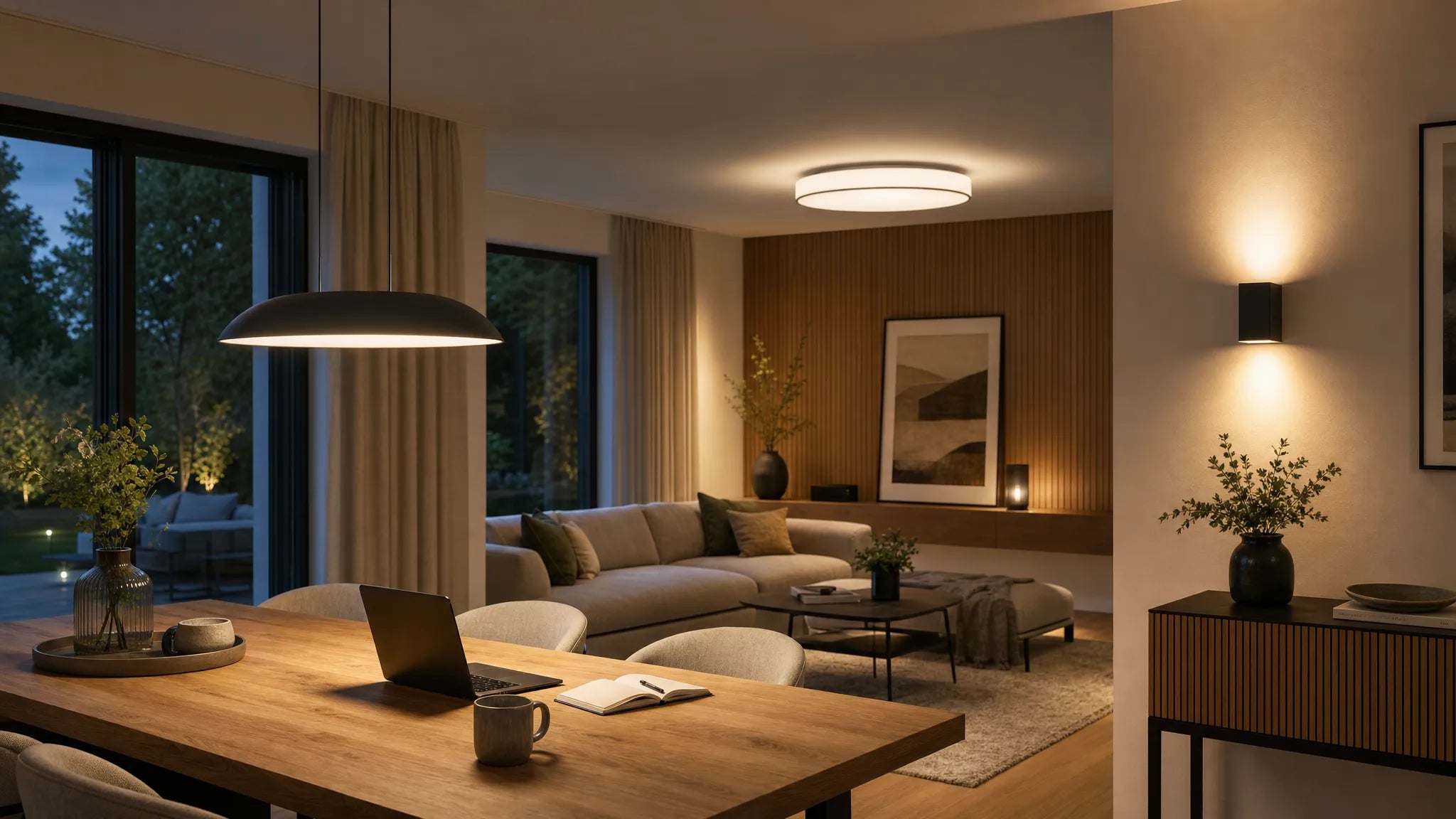
A common mistake when purchasing a lamp is that one lamp alone should take on all the lighting tasks. In well-planned rooms, several types of light usually work together. The ceiling light provides orientation, a pendant light highlights the dining table, one Floor lamps creates atmosphere and a wall light can emphasize architecture.
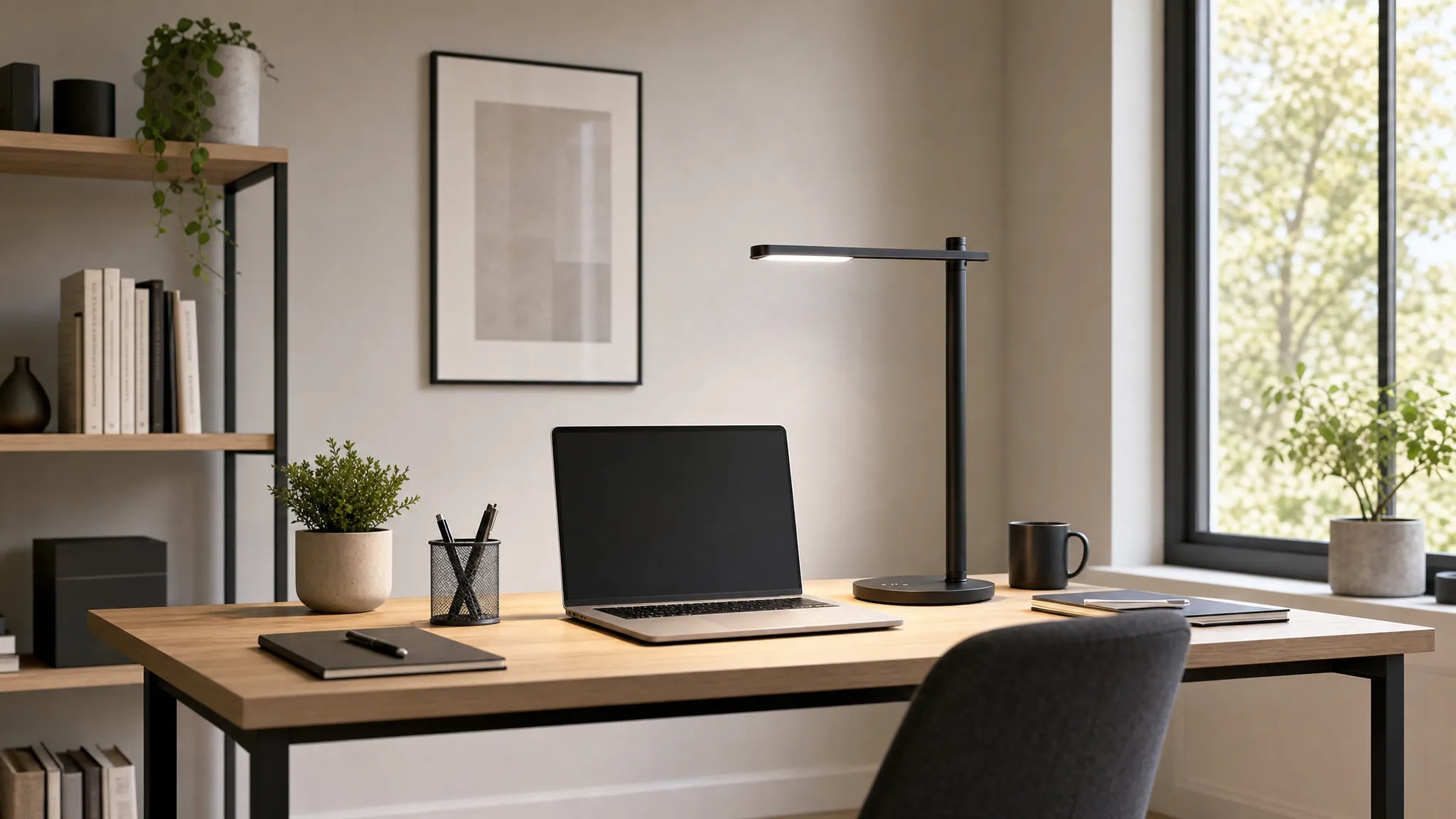
In lighting planning, a rough distinction is made between basic lighting, functional lighting and accent lighting. Basic light makes the room evenly usable. Functional light supports specific activities such as reading, cooking, applying make-up or working. Accent lighting creates depth by highlighting art, shelves, textures or special furniture.
Before buying, you should not only ask: Does this lamp suit my style? A better question is: What lighting situation is missing in this room? In a living room, this can be a warm, dimmable light island next to the sofa. In a kitchen, glare-free, bright work light is more important. In the hallway, clear orientation is more important than decorative drama.
Lamp, luminaire, light source: small terms, big impact
In everyday life almost everything is called a lamp. Technically, however, the lamp is usually the light source, for example an LED bulb. The lamp is the complete object, such as a pendant lamp, ceiling lamp or wall lamp. This difference is important for the purchase decision because it raises questions about the socket, interchangeability, integrated LED module, dimmability and installation.
If you would like to classify the terms more precisely, the in-depth guide will help Lamps and lights as well as typical mistakes when purchasing. For this article, the basic rule is sufficient: Don't just buy a beautiful object, but a complete lighting system consisting of a lamp, light source, control and spatial effect.
LED modules are often permanently integrated, especially in modern designer lights. This can enable very elegant shapes because no classic frame has to be visible. At the same time, you should check whether the quality of light, availability of spare parts and manufacturer information are understandable. With lights with replaceable bulbs, you have more flexibility in terms of light color and brightness later.
The technical values that really count when buying
Technical information may seem dry at first glance, but it is crucial for comfort. Watt alone is hardly a reliable purchase value these days because modern LEDs provide much more light with significantly less energy than old incandescent lamps. The most important factors are lumens, Kelvin, color rendering, beam angle and dimmability.
The detailed article on the topic provides good orientation Buy an LED lamp and recognize the appropriate technical values. This overview helps you quickly check your purchase:
| criterion | What it means | What you should pay attention to |
|---|---|---|
| Lumens | Specifies the brightness | Choose roughly more lumens for basic lighting, less and better dimmability for mood lighting |
| Kelvin | Describes the light color | 2700 to 3000 K appears warm, 3500 to 4000 K appears more neutral, above that very objective |
| CRI or Ra | Shows color rendering | CRI 80 is solid, CRI 90 or higher is better for art, textiles, makeup and high-quality materials |
| Beam angle | Determines how wide the light falls | Narrow for accents, wide for even room light |
| Dimmability | Regulates flexible lighting moods | Luminaires, bulbs and dimmers must be compatible |
| IP protection | Protection against moisture and dust | Particularly check in bathrooms, outdoor areas and near water |
The light color is particularly important for the spatial effect. Warm white light makes living rooms and bedrooms comfortable. Neutral white light supports kitchens, dressing rooms and home office areas. Very cool light can quickly appear uncomfortable in living spaces, but is sometimes useful in functional areas.
Freedom from glare is equally important. A lamp can be bright enough on paper and still appear unpleasant if the lamp shines directly into the eye or shiny surfaces create annoying reflections. Therefore, pay attention to shades, diffusers, indirect light components and the position of the light source in the room.
Proportions: Why the most beautiful lamp can appear wrong
When it comes to lights, the size often determines the effect more than the design. A pendant light that is too small over a large dining table will be lost. An oversized chandelier in a low room quickly appears heavy. Especially in modern interiors, lights should interact with furniture, room height and lines of sight.
A pendant light can be present above the dining table, but should neither block the view nor hang too high. The lower edge is often around 60 to 75 cm above the table top, depending on the shape of the lamp, the size of the table and your personal preference. In transit areas, however, headroom counts. The luminaire must be positioned in such a way that no one touches it or has to go around it.
When it comes to ceiling lights, the room height is crucial. Flat models, ceiling lights with diffused light or short pendants work better in low rooms. In old buildings and open living areas, however, lights can be more vertical and sculptural. Architects and interior designers also check whether the lamp harmonizes with axles, doors, windows and furniture groups.
Room by room: Which light lamp fits where?
A well thought-out lighting concept begins with the room profile. Not every room needs the same brightness, light color or shape. The more precisely you define the use, the easier the selection will be.
| space | Light target | Suitable types of lights |
|---|---|---|
| Living room | Atmosphere, zones, flexibility | ceiling light, Floor lamps, Wall light, decorative pendant light |
| Dining room | Focus on the table and socializing | Pendant lamp, chandelier, dimmable accent lights |
| Kitchen | Bright, safe work light | Ceiling light, spots, pendant lights over islands |
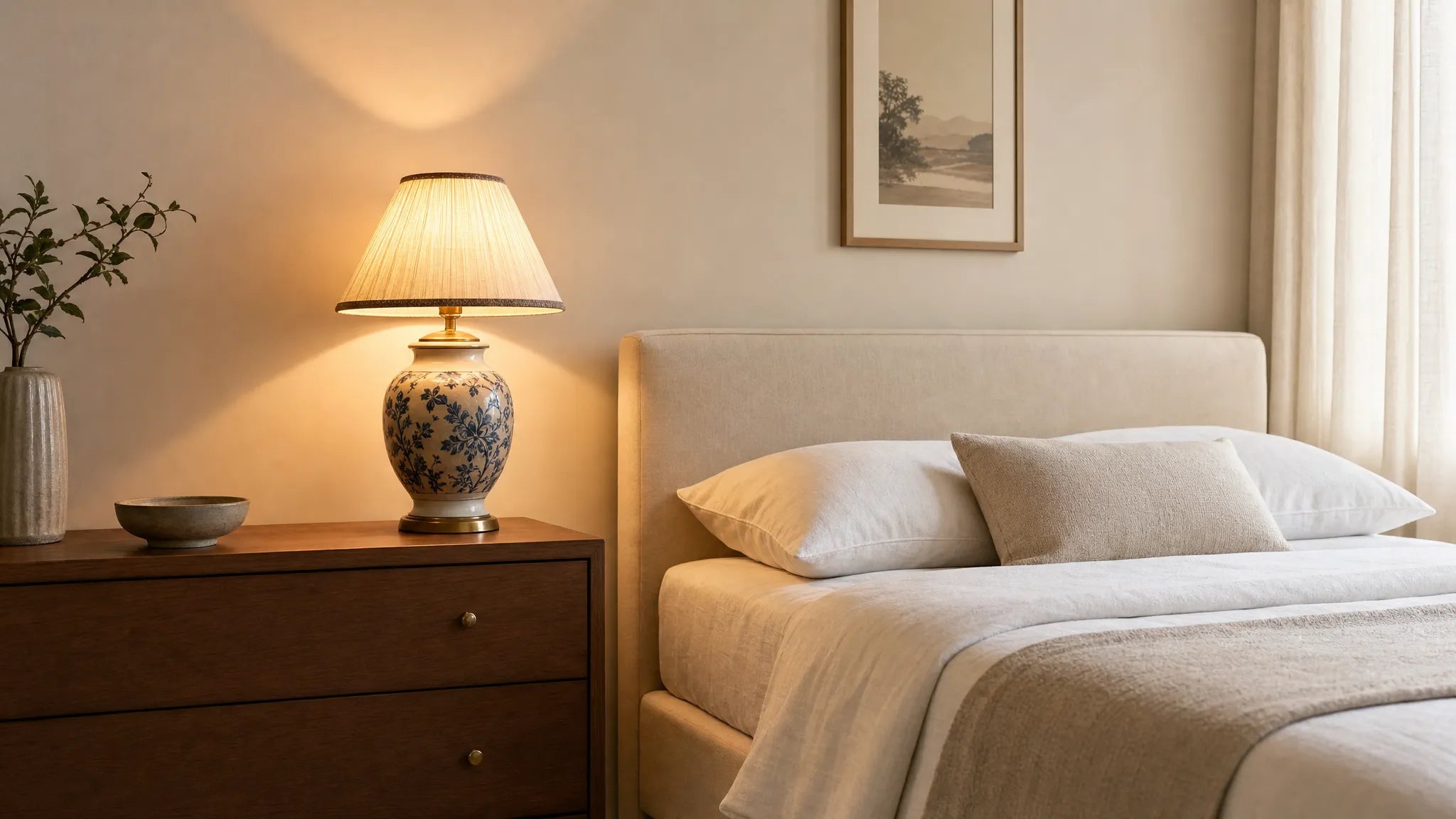
| bedroom | Peace, soft light, reading comfort | Bedside lights, wall lights, indirect ceiling lights |
| bathroom | Clear visibility and safety | Mirror light, ceiling light with appropriate IP protection |
| hallway | Orientation and inviting impression | Ceiling lights, wall lights, linear lighting solutions |
In the living room it is worth having a mix of several light sources so that the room does not appear flat. In the dining area, the lamp should visually frame the table without dominating the room. In the kitchen, the combination of good lighting and easy-care materials is important. In the bedroom, the lighting mood can be significantly softer, especially if the lamp is used in the evening.

Material and workmanship: Not just a question of looks
A lamp is a functional object, but also a permanently visible furnishing element. That's why it's worth looking at material quality and details. Metal, glass, stone, ceramics, wood and textiles not only change the style, but also the light image. Opal glass distributes light softly. Clear glass appears more airy, but can cause more glare. Metal specifically shields light and often creates clearer contrasts.
The processing also determines the long-term effect. Clean edges, stable suspensions, even surfaces, high-quality cables and a suitable canopy make a big difference. Especially with open floor plans, a light stands out from many perspectives. What looks good in the product image should also be convincing up close.
For high-quality residential projects, restraint is often more effective than a short-lived trend. A good light lamp should harmonize with furniture, wall colors and materials, but not necessarily repeat everything. A black metal accent, for example, can provide structure. A brass-colored surface brings warmth. A white or transparent light fits more easily into calm concepts.
Customization: When standard dimensions do not fit the room
Many bad purchases are not because of the design, but because of the dimensions. The cable is too short, the canopy doesn't cover the ceiling outlet neatly, or the color doesn't match the rest of the metal finish in the room. Such details are particularly crucial for pendant lights and chandeliers.
That’s why customization is a big advantage. If the cable length, canopy or color can be adjusted, the lamp can be better coordinated with room height, table position and interior design. This is particularly relevant in old apartments, galleries, sloping ceilings, open kitchen-living rooms and projects in which lights need to be aligned precisely with furniture axes.
The guide shows which options make sense configurable lamps and worthwhile adjustments. What is important is not maximum individualization at any price, but rather appropriate adaptation to the specific space. A longer suspension can be perfect if it ends above a dining table. The same length would be impractical in the hallway.
Realistically assess energy efficiency and service life
LED technology is standard today, but not every LED solution is automatically equally good. Make sure you strike a sensible balance between efficiency, light quality and repairability. Very cheap products sometimes skimp on drivers, cooling or color reproduction. This can cause the light to flicker, colors to appear dull or the light to fail more quickly.
Since the rescaling of the EU energy label, light sources are again classified on a scale from A to G. The European Commission energy consumption label helps to compare efficiency more transparently. Nevertheless, the label should not be the only decision criterion. A very efficient but unpleasantly dazzling light is not a good solution in the living room.
Spare parts, care and assembly quality also count for long-term satisfaction. Check whether surfaces are easy to clean, whether glass elements are securely attached and whether the light fits the existing electrical installation. If you are unsure, installation should be carried out by a qualified specialist, especially in the case of heavy chandeliers, high ceilings or multiple light points.
Purchase checklist: These questions should be clarified before ordering
Before you buy a lamp, a quick check will help. In this way you avoid that a beautiful model later does not suit the use, room height or installation.
- Which lighting task should the luminaire fulfill: basic light, functional light or accent light?
- Does the brightness in lumens match the room size and usage?
- Does the light color in Kelvin appear pleasant in the desired room?
- Is the color reproduction high enough for materials, art or makeup?
- Are the suspension, diameter and height correctly proportioned in the room?
- Is the light dimmable and compatible with existing dimmers?
- Does the IP protection suit the bathroom, kitchen, outdoor area or wet areas?
- Can cable length, canopy or color be adjusted if necessary?
This list does not replace professional lighting planning, but it does create a solid foundation. For private living spaces it is often enough to avoid the most important mistakes. For larger renovations, new buildings or interior design projects, it is worth coordinating lights with electrical planning, furniture and ceiling connections at an early stage.
Frequently asked questions about buying a light lamp
How many lumens do I need per room? This depends on the size of the room, wall colors, usage and type of light. As a rough guide, basic lighting requires less intensity than work areas. The combination of several light sources is often more important than a single maximum value.
Which light color is best for living spaces? Many people choose warm white light in the range of around 2700 to 3000 Kelvin for the living room, dining room and bedroom. It looks cozy and harmonizes well with wood, textiles and warm wall colors.
Is a permanently installed LED better than a replaceable light source? Not fundamentally. Integrated LEDs enable very slim and modern designs. Interchangeable bulbs offer more flexibility. The decisive factors are light quality, workmanship, manufacturer information and the question of how long you want to use the lamp.
What do I have to pay attention to when choosing a pendant light above the dining table? Table size, room height, suspension, lack of glare and dimmability are important. The lamp should visually emphasize the table, but not disturb conversations or lines of sight.
Why does a lamp at home work differently than online? Product images often show ideal lighting conditions. At home, ceiling height, wall color, furniture, daylight and other light sources influence the effect. That's why you should always consider technical values, dimensions and material information together.
Choose the right light carefully
A good light lamp combines design, function and a feeling of space. It suits the use, has the right brightness, a pleasant light color, harmonious proportions and a workmanship that will impress even after years.
At BUYnBLUE You will find a curated selection of modern designer lights for different living areas. The free adjustment service for chandeliers and pendant lights, for example for cable length, canopy or color, is particularly helpful. This means that a luminaire can be tailored more precisely to the height of the room, floor plan and furnishings. With free worldwide shipping, a 14-day return policy, secure payment options, tracking and 24/7 customer service, the path from selection to delivery is as straightforward as possible.