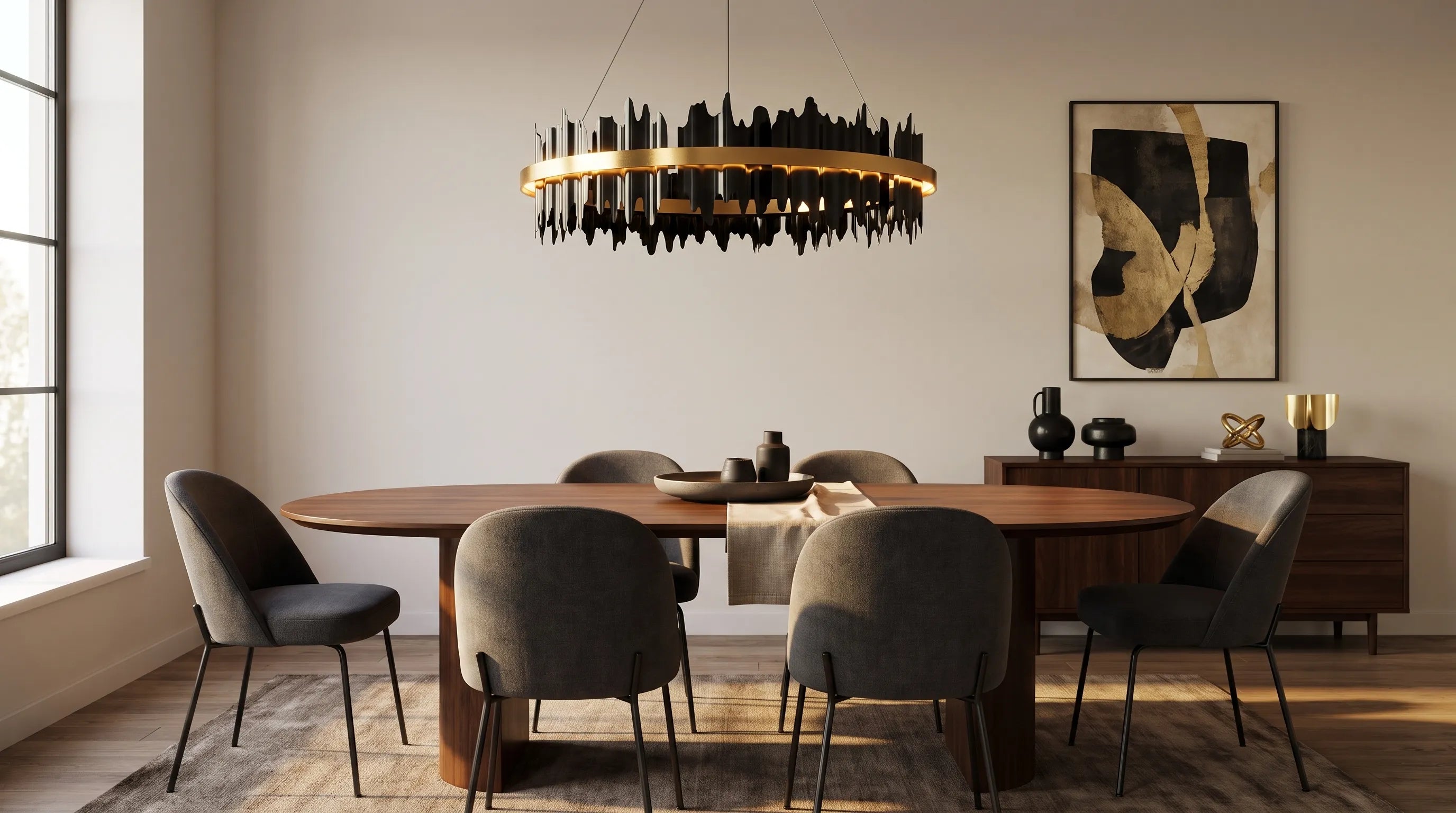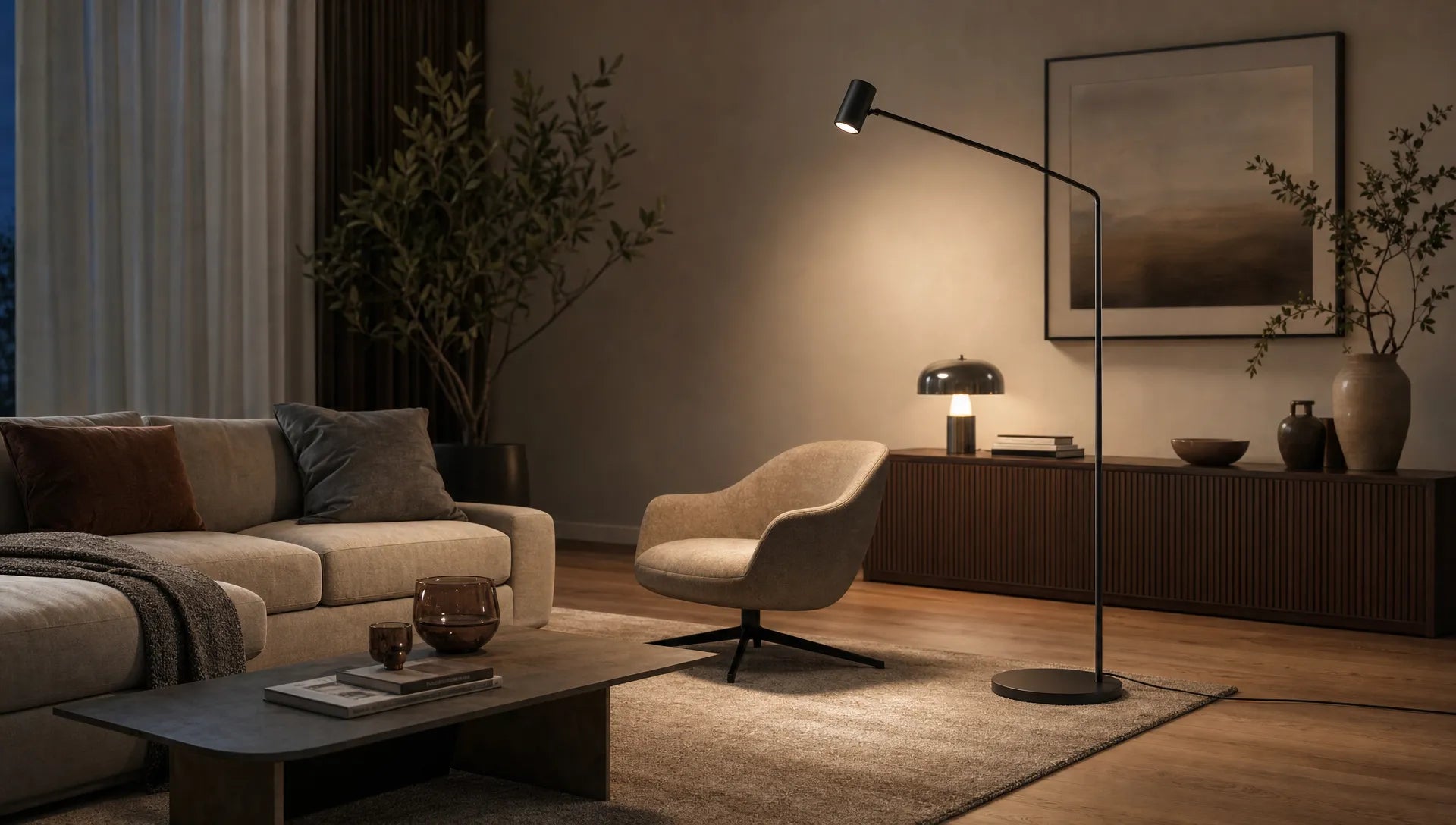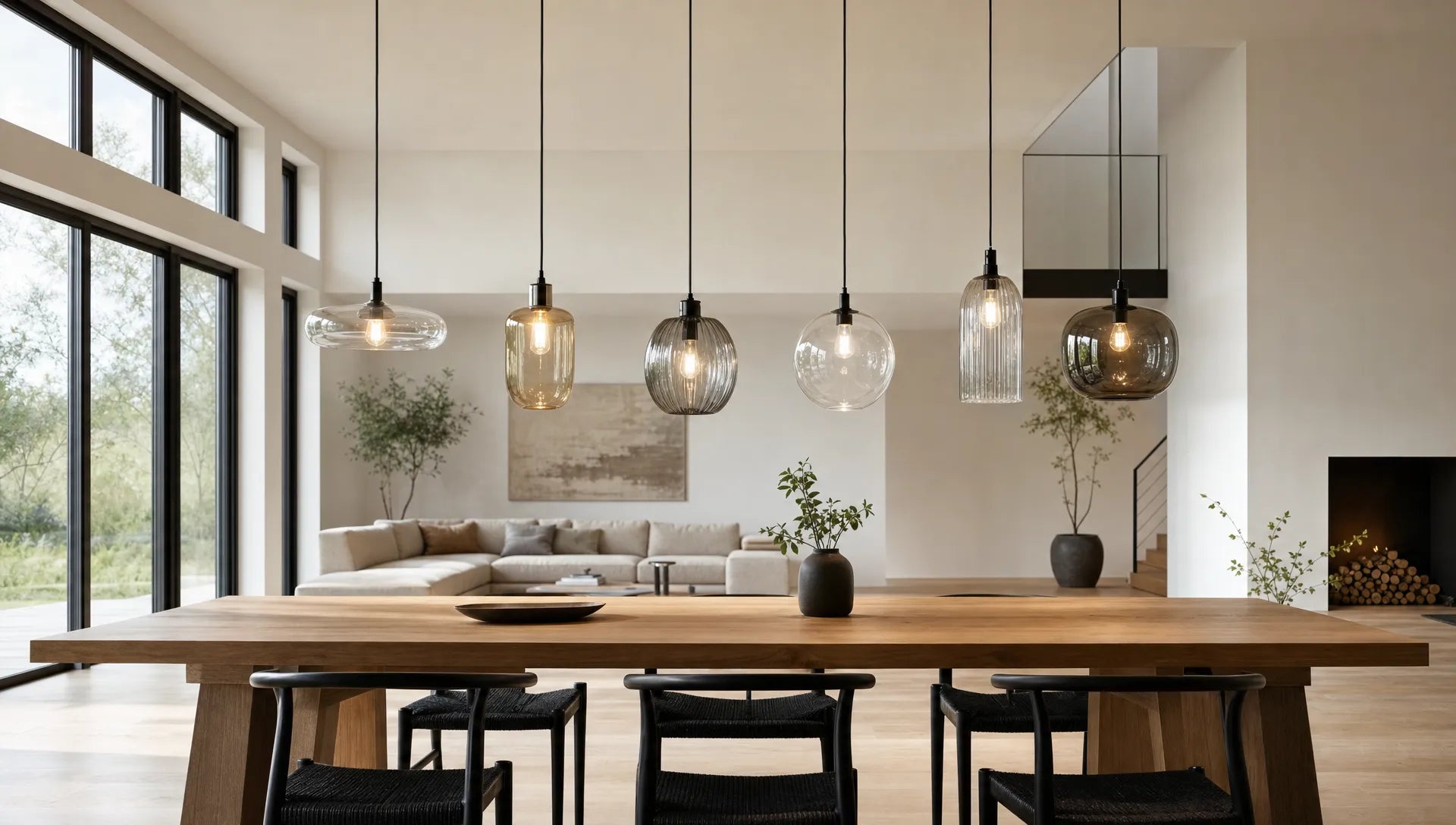
Choose lamp glass: clear, opal or smoked glass?
Glass is so popular in lights because it not only distributes light, but also visibly stages it. A glass lamp can appear almost invisible, glow softly or calm a room with muted elegance. That's exactly why the choice between clear glass, opal glass and smoked glass is more than a question of style. It decides whether your light appears brilliant, homely or atmospheric.
If you have one Lamp glass choose, you should first consider what task it should fulfill: should it brightly illuminate the dining table, create a mood in the living room, be inviting in the hallway or remain soft in the bedroom? After that, deciding between the three types of glass becomes much easier.
Clear, opal or smoked glass: the short decision-making aid
Each type of glass has its own lighting effect. Clear glass shows bulbs, sockets and internal construction very directly. Opal glass diffuses light evenly and reduces glare. Smoked glass filters light, softens contrasts and looks particularly elegant in modern interiors.
| Type of glass | Light effect | Ideal for | What to pay attention to? |
|---|---|---|---|
| Clear glass | Brilliant, direct, transparent | Kitchen, hallway, high ceilings, modern dining areas | Choose glare-free bulbs because the light source is visible |
| Opal glass | Soft, diffuse, even | Bedroom, bathroom, dining table, living room | Make sure there is sufficient brightness, as opal glass scatters light more strongly |
| Smoked glass | Subdued, atmospheric, noble | Living room, lounge, dining room, bar area | Do not use lamps that are too dark, otherwise the room will quickly appear too dimly lit |
The rule of thumb is: the more visible the light source, the more important the shape, light color and dimmability are. For clear and tinted lenses, a simple, bright LED is rarely the best choice. With opal glass, however, the most important thing is that there is enough light output.
Clear glass: For lightness, brilliance and open spaces
A lamp made of clear glass is ideal if you want the lamp to appear visually light. It hardly takes up any volume from the room, leaves lines of sight open and therefore goes very well with modern floor plans, galleries, kitchen islands or dining tables with striking materials such as wood, natural stone or metal.
The big advantage: Clear glass brings shine and precision. It reflects daylight, emphasizes delicate shapes and can appear high-quality even in small rooms without appearing heavy. Especially with multi-flame lights, a lively play of reflections and points of light is created.
The disadvantage: Clear glass is unforgiving of glare. Since the bulb remains visible, you should not use bulbs that are too cold or too bright. Warm white LEDs with a nice shape, such as a filament look, are recommended if they match the design. Around 2,700 Kelvin is usually pleasant for living rooms, but 3,000 Kelvin can be useful in more functional areas such as the kitchen or work area.
Clear glass is particularly suitable if you:
- are looking for an elegant but not massive lamp
- want to emphasize high ceilings or open living areas
- like visible points of light as a design element
- work with metal, marble, wood or dark accents
An example of this luxurious, transparent effect is the Chandelier Vetro Modern, which not only uses glass as a shielding material, but also stages it as a central design element in the room. Such models work particularly well where the lamp can deliberately be perceived as an eye-catcher.
Opal glass: The best choice for soft, low-glare light
Opal glass is milky, often white or slightly satinized, and diffuses light very evenly. This creates a calm, homely lighting effect without harsh shadows. If you want a lamp to be pleasant in everyday life, opal glass is often the safest choice.
Opal glass shows its strengths particularly above the dining table, in the bedroom or in areas where you look directly towards the lamp. It reduces the visible hardness of the lamp and ensures that the lamp appears more like a luminous body rather than a single light source.
This makes opal glass ideal for rooms where comfort is more important than dramatic effects. In a bedroom, an opal glass lamp can have a calming effect. In the bathroom it ensures more even light. Above the dining table it creates a friendly atmosphere without blinding guests. If you are planning specifically for the dining area, it is also worth taking a look at the guide on how to create one Pendant Lamp choose a glare-free and cozy space above the dining table.
What is important, however, is that opal glass absorbs some of the light intensity. This is not a bug, but part of its function. Therefore, do not plan too tightly. In large rooms or with dark wall colors, it can make sense to combine several light sources, such as pendant lights, wall lights and indirect lighting.
Smoked glass: For atmosphere, depth and modern elegance
Smoked glass is tinted glass, usually in shades of grey, brown or bronze. It seems noble, calm and somewhat mysterious. Unlike opal glass, it does not completely hide the light source, but rather filters it. This preserves the character of glass, but the lighting effect becomes softer and more atmospheric.
A smoked glass lamp is particularly suitable for rooms where atmosphere is more important than maximum brightness. Smoked glass can look very high-quality in the living room, above a dining table, in a lounge corner or in the entrance area. It harmonizes well with dark wood, black metal accents, brass, natural stone, warm wall colors and modern sofas in beige, gray or green.
The most common mistake with smoked glass is lighting that is too weak. Since the tint reduces light, the lamp should either be dimmable or combined with sufficiently strong, warm white lamps. Smoked glass looks particularly beautiful when it is part of a lighting concept and does not have to support the entire room alone.

Smoked glass is also a good choice if you are looking for a modern alternative to classic crystal or glossy lights. It brings depth and reflection, but appears more reserved than strongly sparkling surfaces.
Which glass lamp suits which room?
The right type of glass depends not only on taste, but also on room size, ceiling height, wall colors and usage. A lamp that looks spectacular in the showroom can be too bright or too dark in everyday life if it does not fit the room situation.
Living room
Flexibility is crucial in the living room. Here you can read, watch TV, relax and entertain. Smoked glass is very suitable for atmospheric areas, such as above the coffee table or in a corner with an armchair. Opal glass makes sense if you want the main light to evenly illuminate the room. Clear glass looks beautiful when there are additional indirect light sources and the lamp has a more decorative character.
Dining room
The lamp above the dining table should neither be dazzling nor too weak. Opal glass is the most comfortable choice, especially with lower suspension. Clear glass can be very elegant, but requires anti-glare or decorative lighting. Smoked glass looks particularly elegant when the table area is complemented by wall or accent light.
Kitchen
In the kitchen you usually need more functional light. Clear glass works well over kitchen islands because it looks precise, fresh and light. Opal glass is also suitable if uniform illumination is more important. Smoked glass should be used carefully in kitchens, otherwise work surfaces can appear too dark.
bedroom
Opal glass is usually the best choice for bedrooms. It appears calm, soft and low-glare. Smoked glass can be very beautiful when used as a decorative pendant lamp or bedside lamp. Clear glass works more in very minimalist, modern bedrooms, but should not directly glare into the field of vision.
Hallway and entrance area
In the hallway, a glass lamp can be inviting and somewhat representative. Clear glass brings brightness and openness, smoked glass creates an elegant first impression, opal glass provides even orientation light. In narrow hallways, it is important that the light does not hang too low or appear too wide.
Style effect: Which type of glass suits your interior?
Glass is versatile, but not neutral. The type of glass strongly influences the style of a lamp. Clear glass appears modern, light and architectural. Opal glass appears calm, soft and often Scandinavian or minimalist. Smoked glass looks urban, elegant and a little more luxurious.
In minimalist interiors, opal glass can provide balance because it takes the harshness out of the room. In modern luxury concepts, clear glass shapes or crystal-like elements can enhance the room. If you want to use shine consciously but want to avoid a tacky result, see the article above Style lamps with crystal in a modern instead of kitschy way appropriate design principles.
Lights with crystal or glass details can also fall into this decision. The Designer chandelier Fondera For example, relies on precisely arranged K9 crystal elements and is suitable for rooms in which light refraction and a luxurious accent are desired. In simple interiors, such a piece can look particularly modern if the rest of the decoration remains reserved.
For a softer, poetic lighting atmosphere, a model with glass balls can be interesting. The Chandelier Nordic Sian works with glass balls and a starry sky-like light effect, which makes it particularly exciting for living areas, entrances or atmospheric dining rooms.
Don’t forget the bulbs, light color and dimmability
The most beautiful glass lamp only works well if the light source fits. This point is particularly important with glass because reflections, shadows and glare become more visible than with closed fabric or metal shades.
Pay particular attention to three criteria:
- Light color: Warm white light with around 2,700 Kelvin looks homely. More neutral light around 3,000 Kelvin can be useful in the kitchen, hallway or work areas.
- Color rendering: A high color rendering index, often stated as CRI or Ra, makes wood, fabrics, skin tones and wall colors appear more natural.
- Dimmability: Dimmable light is particularly valuable with clear and tinted lenses because you can adjust the intensity to suit the time of day and mood.
With clear glass, the appearance of the lamp is also crucial. With opal glass it is less visible, but the uniform light emission is what counts. For smoked glass, the light source should not be too weak, as the tint reduces the perceived brightness.
Size, suspension and canopy: the technical details count
Many bad purchases are not caused by the design, but by incorrect proportions. A glass lamp can appear too small when hanging over a large table. But it can also be too dominant if the room is low or narrow.
As a rule, the lamp should be hung above a dining table in such a way that it illuminates the table surface well, but does not disturb the view between people. In high rooms, a pendant light may extend more into the room. In low rooms, flatter shapes or several smaller glass bodies are often more harmonious.
The canopy, i.e. the ceiling cover, also plays a larger role than many people initially think. It should match the ceiling, the position of the power outlet and the design of the light. If the power outlet is not exactly above the table, an adapted canopy or well-thought-out cable routing can be the solution.
A configurable model often has an advantage here. At BUYnBLUE Chandeliers and pendant lights can be adjusted free of charge, for example in terms of cable length, canopy or color. If you would like to delve deeper into these planning questions, the guide explains what options are available Buying a configurable lamp is really worth it, the most important adjustment screws.
Care: Which type of glass is most suitable for everyday use?
Glass lights look high-quality, but show dust, fingerprints or traces of limescale to varying degrees depending on the surface. Clear glass looks particularly brilliant, but should be cleaned regularly because dust and fingerprints quickly become noticeable. Smoked glass is a little more forgiving, but can also show streaks in direct light. Opal glass often appears easier to care for in everyday life because it presents reflections more softly.
A soft microfiber cloth is usually sufficient for cleaning. For heavier dirt, a slightly damp cloth can help. It is important to switch off the light beforehand and let it cool down. Aggressive cleaners are not recommended for coated or tinted glass surfaces as they can damage the surface.
In kitchens, you should remember that fat particles settle more quickly. Simple glass shapes without lots of small gaps are more practical. In living rooms and bedrooms, the shapes can be more delicate because the load is lower.
Conclusion: Which glass lamp is the right one?
If you want maximum lightness and brilliance, clear glass is the right choice. It appears modern, transparent and high quality, but requires carefully selected light sources. If comfort, soft light and suitability for everyday use are the priority, opal glass is usually the best solution. If you are looking for atmosphere, depth and elegant restraint, smoked glass is particularly strong.
The best decision is made when design and lighting effect match. So ask yourself not only which type of glass looks best, but also how you use the room, where you sit, from what angle you look at the lamp and whether there are additional light sources. Then your glass lamp will not only be decorative, but also functional and homely.
Frequently asked questions about glass lamps
Which type of glass is the least dazzling? Opal glass is generally the least dazzling because it diffuses the light and obscures the lamp. It is therefore particularly pleasant for the dining table, bedroom and bathroom.
Is clear glass suitable for the dining table? Yes, clear glass can look very elegant above the dining table. However, it is important to have glare-free, warm white lamps and suitable suspension so that the light does not shine directly into your eyes.
Does smoked glass make a room too dark? Smoked glass reduces the perceived brightness. In small or dark rooms, it should therefore be combined with sufficiently strong lamps, dimmability or additional light sources.
Which light color suits glass lamps? Warm white light around 2,700 Kelvin is usually ideal for living rooms. For the kitchen, hallway or more functional areas, 3,000 Kelvin can be suitable as long as the light does not appear too cool.
Are glass lamps high-maintenance? Clear glass shows dust and fingerprints more than opal glass or smoked glass. However, most glass lights can be easily cleaned with a soft microfiber cloth.
Choose a glass lamp to suit the room
Whether clear glass, opal glass or smoked glass: what matters is that the luminaire matches the height of the room, the furnishings and the desired lighting effect. At BUYnBLUE You will find curated designer lights for modern living spaces, with free adjustment of length, canopy or color upon request. This turns a beautiful glass lamp into a lamp that really suits your home.